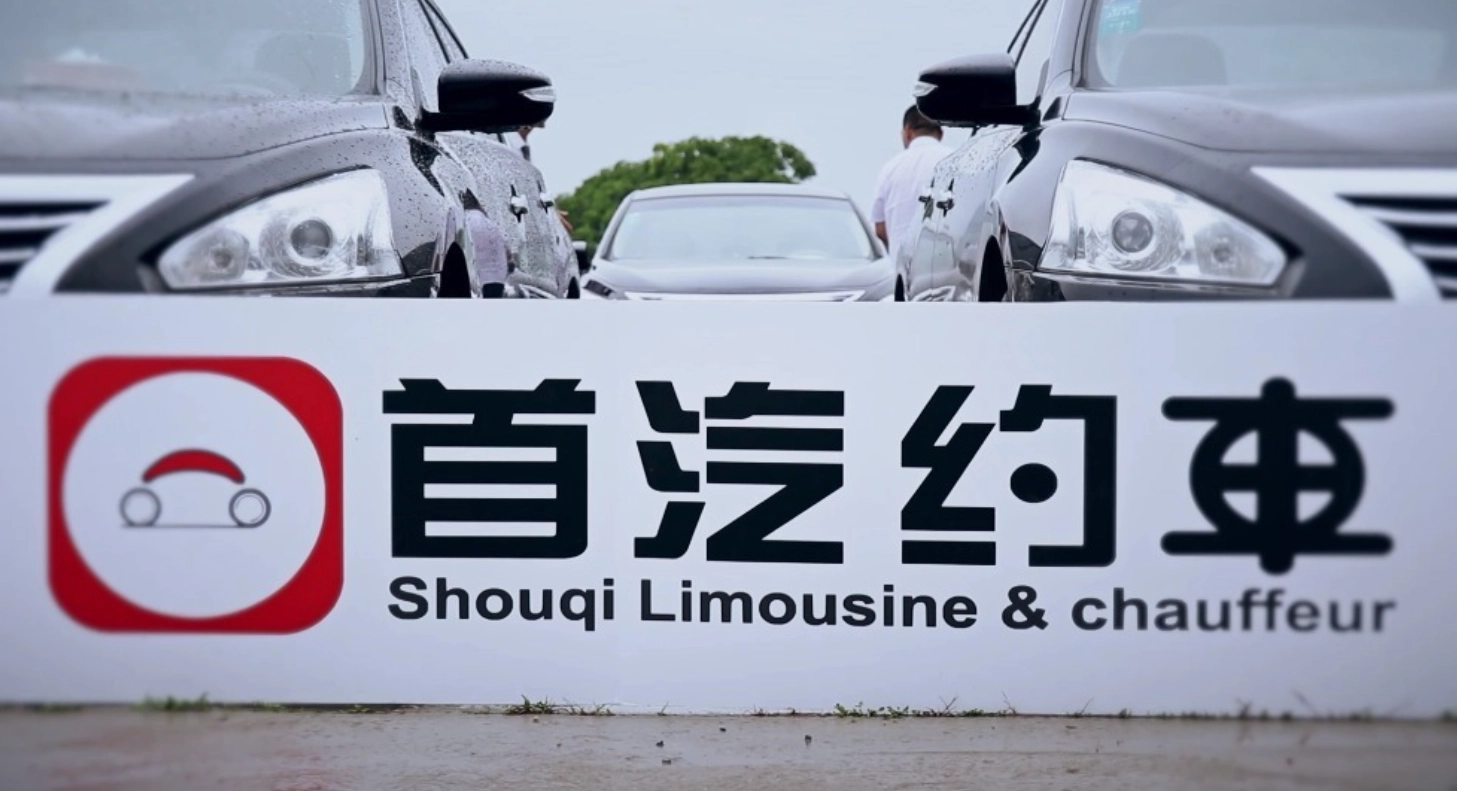
Shouqi Limousine's hefty fine exposes the predicament of the B2C model, as it is forced to lower compliance standards within the aggregation ecosystem and faces the risk of being weeded out.
Shanghai's transportation regulators have imposed over 25 million yuan in aggregate fines across 12 ride-hailing platforms, sending ripples through a sector already locked in a brutal zero-sum struggle for market share. Outsiders tend to chalk this up to routine compliance inspections, but a longer view reveals the truth: this wave of heavy penalties essentially marks the complete collapse of the traditional "premium" B2C ride-hailing model.
Shouqi Ride-Hailing, which once styled itself as a "state-backed" and "mainstream" player, now appears on the penalty list alongside a host of micro-platforms surviving on low-price tactics. This is no random lapse caught in a one-off online inspection—it is the inevitable blowup of premium ride-hailing brands forced to bow to gray-market drivers after seeing their traffic siphoned off and margins squeezed to the bone.
The Compromise: From Premium Self-Operation to Aggregator Platforms
In the early days of ride-hailing, Shouqi carved out a niche in the high-end business travel segment with its self-operated fleet, rigorous driver training, and high fares. But when Didi cemented its near-total monopoly over the C2C model, and aggregators like Amap and Meituan later surged onto the scene, the entire distribution of ride-hailing traffic was fundamentally reshaped. Aggregation reduced every platform to a pure supplier of driver capacity, and in the cold arithmetic of algorithm-driven price comparison, the premium service that once commanded a hefty premium was quickly flattened.
To compete for orders within aggregator algorithms, Shouqi had to abandon its former capital-heavy, self-operated route and fully capitulate to franchising, managed operations, and capacity licensing arrangements. Once the premium threshold was washed away by the anxiety of underbidding for orders, large numbers of vehicles and drivers without proper permits were force-fed into the capacity pool, and regulators' compliance crackdown came as a natural consequence.
Operational Risks in the Legal Record
This slide from a premium mainstay to a low-quality capacity provider has left stark traces in the company's legal records. A review of the business registration and judicial filings for Shouqi's affiliated entity, Shouqi Technology Group Co., Ltd., via Tianyancha shows that its operational risks are no longer hidden. Tianyancha's records show that this ride-hailing backbone company, established over nine years ago with a registered capital of 200 million yuan, now carries not only multiple administrative penalties in transportation but is also entangled in a raft of vehicle lease contract disputes and transport contract disputes.
These mounting lease-related lawsuits expose a grim game of shifting asset-heavy risk down the chain. To ease the burden of vehicle purchases and depreciation, platforms typically lease vehicles to drivers through partner rental companies, locking frontline workers in with hefty deposits and commission deductions from earnings. When fare prices are driven to rock bottom by price wars, and drivers can no longer sustain basic income, contract defaults, vehicle returns, and illegal operations erupt on a massive scale, eventually culminating in a tangle of litigation dead ends in court dockets.
The Endgame: A Capacity Factory with Nowhere to Retreat
The ruthlessness of the ride-hailing sector lies in the fact that it leaves no room for middle-tier players offering mid-range cost and experience. Either you cling to the traffic gateway like the aggregators and rake in commissions, or you compress per-kilometer operating costs to the limit like an extreme capacity factory.
Shouqi's current predicament mirrors the shared tragedy of traditional B2C players: they can neither shed the heavy fixed costs of bloated management structures nor regain the ability to source traffic independently, leaving them to scrape by in aggregator price-grinders by relaxing compliance standards. The 25 million yuan in concentrated fines knocks out the platforms' scheme of using covert violations to offset losses, and forces every surviving ride-hailing player to confront a chilling endgame—the capacity factory with nowhere to retreat will ultimately be purged from the market entirely.